Before the Bang: The Rise, Fall and Legacy of the Korean Arcade
by Nuri KimAbstract
While South Korea is known for its vibrant PC bang (internet café) culture that enabled the country to emerge as a leader of online gaming and e-sports, other forms of gaming in Korea have received less scholarly attention. This article seeks to serve as a corrective by focusing on the Korean arcade, its checkered history of successes, excesses and failures, as well as its enduring legacies that have shaped Korean gaming to this day. Emphasis is put on the arcade’s contested trajectory as the industry was caught between forces that sought to maximize profit in a grey market and forces that sought to render the industry more socially acceptable. Through these efforts, the arcade established itself as the dominant form of gaming in Korea, creating the very foundations from which PC bang and Korea’s distinctive gaming culture would emerge.
Keywords: South Korea, arcade, PC bang, history of gaming, industry
Introduction
In the history of gaming, the South Korean PC bang (literally “PC room” or “internet café”) has attained a nearly legendary status (Huhh, 2008; Jin, 2010; Taylor, 2012; Kang, 2020; Dor, 2024). Proliferating in the late 1990s, PC bangs became the center of an emerging gaming culture that established South Korea (Korea hereafter) as a leader of online gaming and a major trendsetter for competitive and professional gaming (Jin, 2021). In fact, many students of gaming history are likely familiar with scenes of young Koreans playing Blizzard Entertainment’s StarCraft (1998) in crowded PC bangs, on live TV and in arenas filled with thousands of enthusiastic spectators. The highly competitive nature of gaming in Korea has allowed the country to become, according to one commentator, “the most fiercely skilled gaming region” in the world, consistently producing some of the world’s best professional gamers (Lee, 2020). South Korea has also become one of the world’s leading gaming markets: based on total revenue in 2023, South Korea, a nation of fifty million, ranked fourth in the world trailing only China, the United States and Japan (Allcorrect Game Content Studio, 2024). Moreover, the gaming culture of Korea had repercussions far beyond the country itself as global e-sports and professional gaming in general owe much to the developments that took place in Korea.
Scholars have written much about the meteoric rise of the PC bang and the subsequent development of a distinctive gaming culture that emphasized the social and competitive aspects of gaming. In doing so, they have identified a number of reasons for the growth of PC bangs (McCrea, 2009): These include the government’s push for a high-speed internet infrastructure, Korea’s distinctive work and leisure culture and even the country’s traditional foundations (Chee, 2023). However, what is often neglected or mentioned only in passing is another vibrant culture of gaming that not only preceded, but as this article will argue, also engendered the rise of the PC bang. That is Korea’s arcade culture which dominated the country’s gaming scene for two decades, and as such set the foundations for things to come.
This article seeks to rehabilitate the video game arcade by tracing its rise and fall, as well as impact on Korea’s gaming culture at large. Within English-language scholarship on Korean gaming, the PC bang has loomed large, leaving little space for other topics. As a result, English-language works on the Korean arcade are few (Jo, 2020). In Korean-language scholarship, the situation is slightly better as scholars have written on various aspects of arcade history. Overall, however, the contributions of the arcade to Korea’s current gaming landscape remain understudied. Moreover, some Korean publications have actively de-emphasized the arcade, portraying the PC bang as the Big Bang of Korean gaming (Korea Game Industry Agency, 2007). The present article serves as a corrective to such treatments, stressing the rich history and enduring legacy of the Korean arcade. In doing so, this study complements recent works that have traced the history of the video game arcade in Western contexts (Kocurek, 2015; Meades, 2022). With its focus on what was once a peripheral gaming region outside Japan or the West, this article should contribute to a more global and diversified understanding of video game history at large (Liboriussen, 2016).
The rich history of the arcade in Korea has left behind a documentary footprint which includes a variety of gaming magazines directed at consumers but also trade journals and industry newsletters for arcade business owners, distributors, developers and promoters. The present study will make considerable use of these Korean-language primary sources, many of which are stored in the National Library of Korea, but have not yet received scholarly attention. An exploration of them will provide insight into the experience of gamers in arcade halls as well as the dynamics behind the scenes on the business side of the Korean gaming industry. In addition to the voices of gamers and industry insiders, a host of other perspectives will also be taken into account, including those of government officials, parents, educators, journalists and scholars as the arcade became a discursive space of competing interests. This shall contribute to reconstructing a genealogy of gaming spaces in Korea, one where the arcade was dominant for a long time, but also gave birth to its closest competitors.
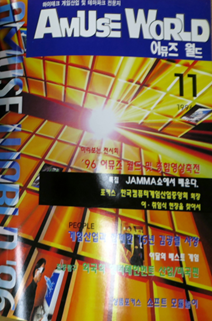
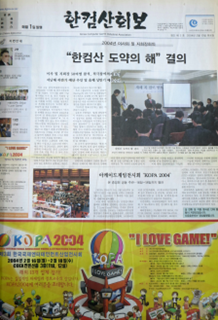
Figure 1. The Korean arcade industry produced periodicals such as Amuse World (top image) which represented developers and distributors. Another example is the Korea Computer Game Industrial Association Bulletin (KCGIAB) (bottom image) which represented arcade parlor owners (Amuse World, 1996, November; KCGIAB, 2004, February 10).
The Rise of the Korean Arcade
The history of the Korean arcade is replete with successes and failures, crises and recoveries, highs and lows. Especially in the beginning, the Korean arcade was very much aligned with global trends, even though it would also outlast them through the industry’s own efforts and fortuitous developments. As in many other countries, the arcade boom began in South Korea in the late 1970s following the influx of Japanese and American games. Thanks to the popularity of games such as Atari’s Breakout (1976) or Taito’s Space Invaders (1978), by 1979, there were said to be around 900 arcade parlors in the city of Seoul alone (Im, 2017). By 1983, buoyed by games such as Namco’s Galaga (1981), the total number of arcades across the country had topped eight thousand (Yun, 2012). This growth, however, was not without setbacks as the legal framework for arcades was under-developed and given that the country was under military dictatorship until the beginning of 1988, conflict with authorities were also part of the early years as there were occasional crackdowns. Eventually, however, the government chose to tolerate arcades, perhaps in order to mollify and distract a restless populace, allowing the industry to continue its growth and establish itself as the dominant form of gaming in Korea (Na, 2016).
By 1995, just a few years before the PC bang boom, studies suggested that arcade gaming accounted for 70% of the Korean gaming market which had a total estimated revenue of 350 billion Korean Won or roughly 440 million US Dollars based on the exchange rate at the time (Korea Cultural Policy Development Institute, 1996). In terms of number of arcade parlors, there were roughly 14 thousand officially authorized ones in 1997, which was right before the Asian financial crisis and the explosive growth of the PC bang would throw the Korean arcade scene into turmoil (Interior of Arcade Parlors, 1997). Japan, which had close to three times the population of South Korea, was said to have boasted 26,500 arcade establishments during the prime of arcade gaming in 1986 (Sonobe, 2021). At the same time, the US recorded around 24 thousand in the early 1980s, the height of arcade gaming in that country (Kent, 2001). In other words, South Korea compared favorably to these two countries when it came to arcade parlors per capita. Furthermore, while in Japan and the US, it was home console gaming that began to replace arcade gaming in the 1980s, consoles never truly challenged the arcade in South Korea, allowing the latter to extend its dominance into the latter half of the 1990s. The reasons why the arcade maintained the upper hand over console gaming were many. One was the chaotic home console market which was populated by direct imports from Japan, local licensed versions of the originals as well as plentiful illegal bootleg ware that not only confused consumers, but also drove several major Korean companies out of the console market (Nicoll, 2019).
Another reason for the dominance of the arcade was the price advantage it enjoyed. For much of the 1990s, the general cost to play a game was 100 Korean won for a conventional cabinet game which was six to seven times cheaper than the 100 Japanese yen common at Japanese arcades (Na, 2016). Even among customers, the feeling was that arcades were a relatively cheap form of entertainment, making them ideal places to casually hang out with friends particularly in the absence of any other forms of after-school activities that did not revolve around studying (Kim, H., 1993). The low barrier to arcade gaming stood in stark contrast to the high upfront cost of official consoles and their cartridges which was a problem frequently discussed in gaming magazines. Few console games were localized and sold in a timely fashion, and games directly imported from Japan were sold at a premium. As a result, console gamers who did not have the knowhow or desire to purchase illegal products were often unable to buy new games and had to resort to trading in their cartridges, although even that could be a costly affair due to additional fees (Reader’s Corner, 1992).
From the perspective of business owners as well, arcades seemed an attractive and relatively easy industry to enter. For one, there were intermediary service providers and franchises that helped set up arcade parlors at relatively low cost. One provider advertised arcades as a great investment opportunity that could provide “steady income with little capital or time investment,” and no additional franchise fees (Unicom, 1997, front matter). Thanks to such services, little prior gaming knowledge was required, and it was not difficult to encounter regular folk with no previous experience in the gaming business setting up arcade parlors. One example was a middle-aged woman who had inherited a restaurant from her mother in Seoul, but after a number of years running it on her own decided to turn the place into an arcade parlor, as it “required less physical labor than the restaurant” (Future of Arcades, 1996, p. 38). Trade journals and booklets offered detailed advice on where and how to set up arcade parlors, how to manage them and what kind of machines to install. One guidebook assured the readers that even receiving approval from the relevant government offices was a quick and straightforward affair: an applicant could expect approval within one week of applying for a business license (Yi, 1998c). All these voices promising a healthy and swift income, however, were only one factor. Another one that likely engendered the rush toward the arcade was the fact that setting up small businesses in South Korea was a very common practice. Since the 1960s, at least 25% of the workforce had been self-employed, a much higher rate than in many developed countries, suggesting the existence of a significant population eager to set up businesses in the latest booming industry and a government that was happy to facilitate this (Yi, 2024).
Why was arcade gaming so cheap in Korea? The question is particularly pertinent given that the games that dominated Korean arcades were mostly from Japan and arcade cabinet imports were notoriously expensive due to intermediary fees, transportation cost and a special luxury tariff of 30% that was only abolished in 1999. The main reason can be found in the rampant culture of bootlegging in Korea, allowing for cheap copies of games to proliferate in arcade halls. Copying games required intricate skills to reverse engineer entire arcade system boards, something which Korean technicians amassed much expertise in. This even allowed them to export their merchandise abroad (Jo, 2020; Meades, 2022). In the early stages, relying on cheap illegal copies was the only way for arcade gaming to become viable in Korea, as an original cabinet imported from Japan would have been prohibitively expensive, costing as much as a car, especially in the 1970s and 1980s when the Korean economy was growing, but still far behind the Japanese one (Silk Road, 1999). Bootlegging also allowed Korean technicians to add their own minor innovations to gaming hardware and software, endowing the Korean arcade experience with distinctive elements: This included altered titles to suit a Korean audience, as well as a Korean-style joystick with simplified components which required more physical effort from the player, but could apparently be advantageous for fighting games such as Namco’s Tekken series (Jeon, 2023).
At the same time, the widespread culture of bootlegging was an issue that could serve as a problem for Korean and foreign game developers alike as it meant that there was no money to be made in the Korean market, at least not legally. In fact, Japanese representatives from Sega and Namco noted problems with game distribution in Korea, expressing concerns about the market and their own reluctance to enter it (Interview Sega, 1996; Visiting Namco, 1998). While the South Korean government started cracking down on bootlegging in the late 1980s, it was only in the next decade that efforts became more sustained (Jeon, 2023). As bootlegging began to recede and legal imports became more prevalent in the mid-1990s, however, another problem arose: now there were growing complaints by arcade owners that the cost of gaming was too low and unsustainable given the high cost of official products. Owners pushed for an increase in prices for newer games such as Sega’s Virtua Fighter 3 (1996) which required 200 won to play (Yi, 1997c). However, the more muted success of the game in Korea compared to its predecessors and the ongoing debates over pricing revealed that price expectations developed during the bootlegging years were hard to change (Difficulties Running Arcade, 1996).
(A)social Spaces
While the low cost of gaming eventually became an issue for arcade owners, it was a boon for customers, especially younger ones, allowing the social nature of arcades to fully come to the fore: According to one survey, the most often cited reason for frequenting arcades was to socialize with friends (Kim, 1993). Students would often come in groups on their way home which was facilitated by the fact that many arcades were located near schools. Although there was a law in place that prevented arcade parlors from being set up within 300 meters of schools, businesses that had opened before 1990 were exempt from this rule. One study in 1993 found that there were slightly over two thousand arcade halls in the vicinity of schools in the city of Seoul alone, making them attractive places for post-school activities (Pak, 1993).
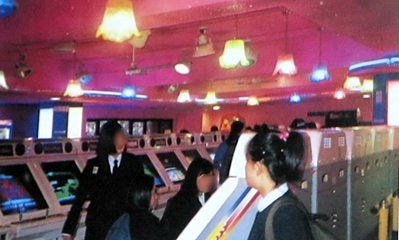
Figure 2. A group of female students in school uniform visiting an arcade parlor (Amuse World, 2000, February).
Within arcades, spectatorship and competition were important components of the experience especially since the most popular games for much of the 1990s were fighting games. Korean players gained significant skills, even achieving success internationally, such as in the 1997 “Virtua Fighter 3: The Maximum Battle” competition in Japan where Koreans took both gold and silver (Miura, 1997). This was a cause for much celebration in Korea, especially considering the sensitive history between the two countries which was also reflected in portrayals of Koreans in Japanese video games which often had colonial undertones (Kim, Yi, Jeong, 2016; Hutchinson, 2019). Some even suggested that Koreans were particularly adept at fighting games -- ironically because the Korean joysticks had simpler parts and as such required much more precise movements, forcing Koreans to achieve a higher skill level by default (Jeon, 2023). Furthermore, while spectatorship was already built into the very nature of arcades, it was not uncommon for kids without any money to roam about the halls to just watch others play (Kim, H., 1993). Hence, for many Koreans, social gaming, competitive gaming and spectatorship were already significant elements of their gaming experience long before Korean professional gamers would dominate the global e-sports scene.
Although arcades were social spaces, they were also often-times perceived as asocial spaces. Just as in other countries across the world, the Korean arcade had an image problem as it was seen as a place of deviance, delinquency and illegality. On a physical level, the arcades -- not without some justification -- were frequently depicted as dark, dilapidated and unsanitary spaces that engendered juvenile delinquency such as smoking or truancy and attracted people of liminal backgrounds: students who went to vocational school and had given up on advancing to university, youths of complicated family backgrounds who had nowhere else to go and others who sought refuge from the world (Kim, H., 1993). Arcades were also spaces where actual crimes took place: muggings were frequently reported and one survey found that 7% of arcade customers had experience getting mugged in the previous year alone (Yi, 1997d). Teachers often expressed much concern about their students being enticed by the arcade, identifying arcades as one of the most harmful influences that tempted students away from their studies. In fact, teachers would even patrol arcades to catch students and ask business owners for cooperation which, however, was rarely obtained (Yang, Kim, 1994). In many ways, the shadiness of arcades was overdetermined not just by the questionable origins of the gaming machines, but also the lackluster interior, as well as the people and practices one could encounter within them.
Sanitizing the Arcade
The fact that arcades were the dominant mode of video gaming in South Korea meant that the gaming industry in general had an image problem -- it was a far cry from something that the government or mainstream media would promote. There was a need to sanitize the industry and heave it into the realm of respectability. Consequently, over the course of the 1990s, the arcade industry invested significant efforts into transforming itself into a legal, respectable and family-friendly industry. Not all of this, however, was voluntary. For one, in the late 1980s, the South Korean government began to take the protection of intellectual property rights more seriously after entering a series of international agreements (Park, 2013). By the early 1990s, there was a more sustained effort to crack down on pirating activities, not only for arcade games, but for PC and console games as well. Those who were caught illegally manufacturing and selling pirated games were arrested, fined and, on occasion, even received prison sentences. According to an insider’s recollection, up to 10% of around 200 arcade distributors that occupied the Cheonggye electronics market, the center of the Korean arcade industry, were caught bootlegging (Cheonggye Electronics Market, 1999).
Some companies were compelled by court to post statements of apology in gaming magazines: In the June 1992 issue of Game World, one Korean company posted a public apology for illegally copying and selling games from Electronic Arts and 28 other developers, promising to “submit to any form of legal sanctions” and “never again deal with illegal copies” (Cho, 1992). In the August issue of the same year, another Korean developer issued an apology for distributing Gainax’s Princess Maker without permission (Yi, 1992). In both cases, Korean companies that had legally received licenses from the original developers to distribute their games in Korea initiated the lawsuits, illustrating that there was also a domestic impetus to shut down pirating (Kim, 1992). At times, pressure could come from foreign companies directly, as they were able to take Korean companies to court: Nintendo, for instance, sued Samsung Electronics in 1995 for facilitating the illegal copying of its gaming software, although eventually, Samsung won the lawsuit as they had merely provided the hardware that others had abused for bootlegging and were not directly involved in the copying itself (Yun, 2005). As mentioned, Sega and Namco expressed deep concerns about the problematic practices in Korea’s arcade industry, highlighting the tendency of foreign developers to avoid the Korean market.
Within the Korean arcade industry, voices that called for fundamental reforms multiplied. One particularly vocal one was KAMMA, the Korean Amusement Machines Manufacturers’ Association, which was founded in 1994 to represent the interests of Korean arcade game developers. These were very much in their infancy, struggling to make their mark (Kim, 1996). After all, a market dominated by more sophisticated Japanese games in the form of cheap illegal copies was no environment for game developers to thrive in as it meant that the competition was better and cheaper. Thus, KAMMA’s goal was very much to bring the arcade out of the shadows and turn it into a respectable and legitimate industry. As part of such efforts, they started publishing a monthly magazine called Amuse World in 1996, distributing it to arcade businesses for free. The magazine contained, among others, news about games and the industry at large, tips for arcade business owners, reports on individual arcade parlors and game exhibitions, as well as data on game prices and game rankings. It also offered a variety of interviews with game developers, arcade owners as well as customers. The magazine had a global outlook, frequently reporting on the arcade industry in Japan, Taiwan or China. Amuse World even set up partnerships with foreign arcade magazines such as Coin Journal (Japan) and InterGame (UK), publishing their articles in translation. Amuse World sought to expand the horizon of Korean arcade owners by further organizing trips to game exhibitions in Japan (Recruiting for JAMMA, 1997). Overall, the magazine allowed readers to remain up to date on global trends in the arcade industry, while also offering vivid insight into Korean arcade parlors on the ground level. By and large, it was a significant shift away from the ad-hoc, furtive, word-of-mouth transmission of information of earlier times.
The magazine also made continuous appeals to transform arcades into more welcoming, family-friendly and gender-balanced spaces. Numerous articles emphasized the importance of being more inclusive toward women and families. Whereas the old arcade was considered a dark, shady, male-dominated space, the new arcade was envisioned to be brighter, more inviting and populated by a more diverse demographic. One article from 1996 lamented that the facilities of “arcade parlors were (stuck) in the 1970s, management in the 1980s, while customers were (living) in the 1990s,” evincing the need for significant upgrades (Han, 1996, p. 42). Numerous voices by readers and the editorial staff pressed the need to cater to women by offering more inclusive spaces and providing more than fighting or shooting games to achieve broader appeal. Indeed, Amuse World took care to introduce developers that explicitly targeted women through products such as sticker photo booths which would become a common sight in arcade parlors (Protopia, 1997).
While the underlying goal of these efforts was to expand the customer pool and increase revenue, the push toward inclusivity was more than just a slogan: Amuse World took increasing care to include women’s voices where possible, for instance, in reporting on arcade parlors that had female owners. Often, these were lauded for eschewing illegal products and turning their businesses into bright, clean and family-friendly spaces (Yi, 1997b; Yi, 1998a). Exemplary arcades that were implementing female-and family friendly policies were often singled out -- one arcade establishment in particular was noted for having gaming stations reserved for women and couples (Yi, 1997a). Amuse World also conducted surveys of the demographics of arcade users, highlighting the share of female customers which at 28% was said to be on the rise (Yi, 1997d). In monthly street interviews about the gaming habits and preferences of gamers, women’s voices received growing attention. In one case, six of the ten interviewees were women; among these, arcade rhythm games were particularly popular (Street Interview, 2000).
KAMMA did not just tell others how to run their arcade businesses, they also sought to exemplify what a modernized distribution system and a progressive arcade parlor should look like. For one, KAMMA set up a permanent arcade exhibition center in Seoul, targeting arcade business owners. Named “Amuse World” just like the magazine, this center exhibited arcade machines, offered consultations and supplied businesses with machines and after-service. Especially large theme parks seemed to be major customers, although small businesses also received attractive deals that allowed them to pay in installments. Everything had the sheen of organization, transparency and legality, injecting a degree of professionalism and an economy of scale into the arcade distribution system. The company also contracted franchisees that set up affiliated arcade parlors that followed the philosophy and policies of KAMMA (Exhibition Center Amuse World, 1996). As on-site reportage suggested, a typical business affiliated with Amuse World would boast bright and inviting interior, an assortment of games that could be enjoyed by the entire family and a rest area where one could relax and enjoy refreshments. The owners were presented as decent, respectable people who eschewed illegal products and envisioned arcades as spaces for the entire family (Amuse World Kasan, 1996).
Another key activity KAMMA engaged in to increase the respectability and appeal of the arcade industry was to organize the first Korean video game trade show in 1995. Called “Amuse World: World Amusement Machines & Software Show,” the exhibition boasted 60 companies from 5 countries and claimed a total of 130,000 attendees (Preview, 1997). The show was successful enough to be repeated in the following years: In the second year in particular, it was co-hosted by KBS (Korean Broadcasting System), the country’s national public broadcaster (Hosting, 1996). This was a significant feat as it was the country’s signature media organization, allowing the exhibition to receive much publicity. The endorsement from public television was an indication that gaming, especially arcade gaming, was becoming more and more acceptable within mainstream society. Indeed, by the year 2000, the exhibition had evolved further: as it was renamed KAMEX (Korea Amuse World Game Expo), it also obtained an additional co-host: the Ministry of Culture and Tourism (Previewing KAMEX, 2000). The government was now directly supporting the exhibition, demonstrating that the gaming industry had indeed emerged from the shadows and turned into a publicly recognized high-value industry.
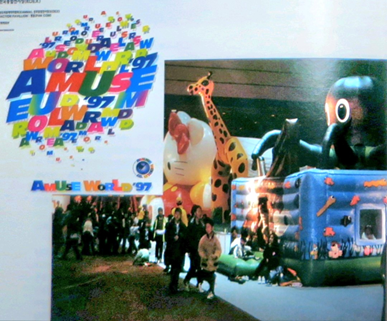
Figure 3. A poster of the game expo Amuse World ’97 alongside an image of the previous year’s exhibition (Amuse World ’97 D-15, 1997).
Crisis and Response
As the exhibition was growing in scope, reputation and national import, however, the share of arcade games declined over the years. Instead, online PC games began to dominate the trade floors, reflecting a significant shift within the Korean gaming industry (Rapid growth of PC, 2001). This trend would only intensify over time: even though the exhibition was originally started by the arcade industry, it was the PC gaming industry that eventually reaped its benefits the most (On Site KAMEX, 2003).
The challenges to the arcade industry came from two directions. For one, there was the Asian Financial Crisis which hit South Korea hard in the latter half of 1997, leading to a stock market crash, the steep depreciation of the Korean Won, mass layoffs and bankruptcies which depressed the market for arcade gaming. At the same time, there was also the explosive growth of PC bangs which ironically began during the economic crisis: An estimated 3000 PC bangs were opened by the end of 1998, to increase to a total of 15,000 by the end of 1999 (Pak, Kim, Oh & Kang, 2014). According to Inkyu Kang, this was because the government pushed high-speed internet infrastructure and the IT industry at large as a means to overcome the economic crisis, creating a favorable environment for PC bang and online gaming to flourish. In addition, many of those who had lost their jobs during the crisis turned toward self-employment including PC bang which was identified as a lucrative business (Kang, 2020). The PC bang also seemed to offer people who had lost their jobs or lacked a stable abode a space to spend time in comfort and at low cost (Accommodation Trouble, 1999). In the beginning, the hourly rate in PC bang was usually 2000-3000 won, although this would soon drop to 1500 or 1000 won due to increased supply. There were even night-time discounts, and, with PC bangs open 24/7, they were an attractive place to spend the night (PC Bang Price, 1999). Arcade parlors where business hours were often more restricted were unable to serve as such a safe space -- gaming time was never fully guaranteed, and bar stools were the only chairs.
The arcade industry was thus in crisis. Reports revealed that the vast majority of businesses saw a decline in customers during the period with many establishments having to shut down. Between 1998 and 1999, one survey found a net decline of 2000 stores from 17000 to 15000 (Arcade Future, 2000). Reflecting this trend, there even emerged businesses that specialized in shutting down arcades and helping them dispose of their inventory (Daeseong Electronics, 1998). In addition, Amuse World began to include classified ads where arcade owners were able to offer their businesses for sale, a section that drew much reader participation (Flea Market, 1998). While customers were abandoning the arcade for PC bangs, game developers that had previously concentrated on arcade games were now beginning to develop PC games (General Game News, 1999). Even companies that had specialized in producing cabinets for arcades were transitioning toward manufacturing furniture for PC bangs (Iljin, 1999). Moreover, PC bang franchises were emerging rapidly, actively recruiting franchisees among arcade owners through investment seminars and aggressive marketing (Daein Industry, 1998). In fact, the founder of one such PC bang franchise named Alibaba had started out as an arcade business owner before specializing in converting PC games such as StarCraft, Tomb Raider or Romance of the Three Kingdoms to arcade cabinets and eventually plunging directly into the PC bang business. He astutely predicted that online gaming would be the future with the American gaming industry soon overtaking the Japanese one (Daeseung, 1999). These examples suggest that there was at times direct continuity between arcades and PC bangs, with the expertise gathered from one industry put into the service of the other.
Not all were able to make this transition: Many in the arcade industry regarded PC bang as a rival and looked at it with concern, envy and at times, Schadenfreude: when StarCraft belatedly received a mature rating in South Korea toward the end of 1998, denying youths access to the popular game, arcade owners were relieved. They saw it as a sign that the PC bang craze was not going to pose an existential threat to them and that “customers who had been lost to PC bang would soon return” (Bright and Dark Spots, 1999, p. 46). In fact, the government cracked down on PC bangs that offered StarCraft to minors, leading to hundreds of businesses being fined. However, due to continuous backlash, the authorities eventually reversed the rating of the game, granting access to youths after all (Direction of PC Bang, 1999), while Blizzard also quickly released a more family-friendly expansion called Brood War. The PC bang was here to stay. In fact, the government even announced plans to put PC bangs into a category separate from arcades as they offered multimedia services beyond gaming. This led to protests from representatives of the arcade industry who argued that PC bangs should be subject to the same regulations as arcades (Law Reforms, 1999). When the government pushed through the new law anyway, hundreds, if not thousands, of arcade owners and employees took to the streets in protest near the National Assembly in Seoul (Korea Rally, 1999). The fear that was animating them was that PC bangs would receive preferential treatment and as such, threaten their livelihoods.

Figure 4. Archival photo of arcade business owners protesting government regulations near the National Assembly in Seoul in 1999 (KCGIAB, 10 May 2004).
While political activism was one way to protect the industry, efforts to make arcades more competitive continued as well. As was echoed throughout the industry, the path forward was to diversify the customer base, expand the scale of arcade halls through franchises, and focus on offering unique gaming experiences that could not be replicated in PC bangs or at home. These goals were all contingent on each other. Large-scale franchises had the capital to set up unique (and legal) gaming machines such as simulators or music games, and it was particularly these more complex and expensive machines that could attract a new clientele. Having unique machines also allowed arcades to charge higher fees than the usual 100 won per game. While the trend toward an economy of scale was already visible prior to 1997, the economic crisis accelerated the development (Kim, 1999). In 1997, the government also made it easier to build large arcade parlors by relaxing space restrictions. This allowed the Korean arcade market to accommodate capital-heavy enterprises, which was also illustrated by the fact that Sega which had previously been highly skeptical of the Korean arcade market began to set up its own arcade halls in Korea. As big money flowed into the industry, smaller businesses found it increasingly difficult to survive (Yi, 1998c).
This was also a time when rhythm games such as Konami’s 1998 Dance Dance Revolution (DDR hereafter) emerged on the scene, serving as a lifeline for the arcade industry. Although fighting games had sustained the arcade ever since the release of Capcom’s Street Fighter II in 1991, by the late 1990s, they had reached a dead end in expanding the arcade’s customer base. While still popular among arcade enthusiasts, their novelty had worn off. A deluge of sequels lacking any major innovation had overcrowded the market, bringing fighting games to a standstill (Yi, 1998b). DDR arrived at this very moment to inject new life into the industry, attracting new customers especially to the large establishments that could afford such unique machines. According to one survey, by the end of the century, 75% of users visited arcades to play rhythm games. Some arcades even dedicated entire floors to such games. Furthermore, it was not just DDR that drew interest as Korean companies followed suit in developing their own rhythm games. The developer Andamiro released a dancing game called Pump It Up in 1999 which thanks to a lineup of Korean songs soon became the leading game in Korean arcades (Arcade Future, 2000). Due to similarities with DDR, Konami sued the company for plagiarism, although the case was settled out of court and Pump It Up continued to dominate the Korean arcades, even spawning a number of sequels (Yun, 2005). Another Korean game that was highly popular in arcades was EZ2DJ developed by AmuseWorld, a subsidiary of the arcade distributor and franchisor of the same name. The game came out in 1999 and emulated the DJ experience. Konami sued the developer of this game as well for plagiarizing its Beatmania series, although the Japanese company lost the case in the Korean courts for the time being (EZ2DJ Wins, 2000). Unperturbed by accusations of plagiarism, EZ2DJ was even exported abroad, reportedly gaining fanbases in places such as mainland China, Hong Kong and Taiwan (EZ2DJ Splash, 1999).
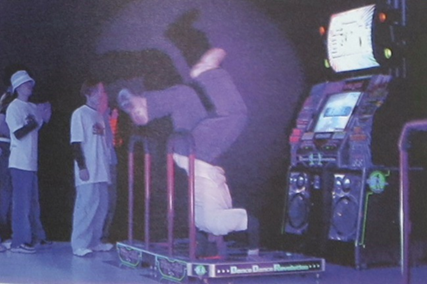
Figure 5. Koreans playing Dance Dance Revolution which ignited a new boom for the arcade industry (Amuse World, 2000, February).
However, even during the height of the rhythm game craze, some insiders already expressed concerns about what might come next. Music games were sweeping the arcades, monopolizing the interests of arcade owners and game developers alike to such a degree that there was no alternative that the industry could fall back on should consumer preferences change. Industry insiders were acutely aware of this as they knew that no trend could last forever. As one commentator noted, the rhythm game craze created a “bubble” whose “days were numbered.” Considering that these machines were particularly expensive, many arcade owners who had “jumped on the bandwagon belatedly” would be confronted “with severe headaches” (An, 2000, p. 147). Indeed, two years after DDR had emerged on the gaming scene, the popularity of rhythm games was in apparent decline. Too many similar products were competing in an overcrowded market. Some arcade owners complained that income from dance machines had dropped by half, expressing pessimism about the future of their business. Others were more optimistic, arguing that there were “at least six more months left” in the lifecycle of rhythm games, although this was hardly reassuring (Report on Dance Games, 2000, p. 121).
While many arcade establishments had gone all in on rhythm games, others decided to incorporate elements of the competition to stay relevant: some businesses began to set up PC stations alongside gaming cabinets, with one even dedicating entire floors to PCs (Arcade Ansan, 2000). These hybrid establishments that incorporated aspects of PC bangs, however, did not seem to have become widespread as operating both arcades and PCs likely made managing businesses much more complex. Arcade games also increasingly began incorporating online elements such as playing with remote opponents, posting scores and sharing images via the internet (General News, 2001). Another measure meant to make arcades more attractive involved incorporating game consoles. In the early 2000s, especially in the wake of the release of Sony’s PlayStation 2, a new type of establishment often referred to as “Pŭlsŭ bang” which was an acronym for the Korean spelling of “PlayStation bang” (PlayStation room) saw a rapid rise in South Korea. This occurred on the back of Konami’s Winning Eleven series which became a huge phenomenon in the country. The PlayStation rooms were very much like PC bangs where one would pay by the hour, although instead of computers, they offered video game consoles. Some arcades sought to take advantage of this trend by setting up game console stations within their establishments (Game Center Watch, 20003). This, however, was no lasting solution as the usage of PlayStations also soon ran into legal problems: Sony took issue with the name “PlayStation rooms” and the use of their home console for commercial purposes, leading to lawsuits and crackdowns (Yun, 2005). While Sony eventually released a new version of the PlayStation 2 meant for commercial use, these consoles were reported to be twice as expensive as the home version even though they did not offer any significant new functionality (Console Rooms, 2004). With problems like these, the PlayStation could not serve as a lasting prop for arcade businesses.
Back in the Shadows
While numerous avenues were explored to secure a future for the arcade, each pathway came with its own challenges. Many of the measures being considered aimed at strengthening the arcade by diversifying its audience and offering more gaming options -- be they PC or console gaming. At the same time, some businesses began to pursue a different strategy to cope with the challenges, one which was in many respects the polar opposite: instead of offering more gaming, they offered less gaming and more gambling. Instead of becoming more family friendly, they opted to abandon family-friendliness and cater to a more narrow mature audience. These mature arcades focused on prize machines including digital slot machines, Pachinko-style games and horse racing betting simulators. While gambling was illegal in Korea, these games circumvented the law by awarding gift vouchers that could be exchanged for items. The popularity of such parlors was explosive: between 1999 and 2000, the total number of arcades saw a steep increase from roughly 18,000 to 25,000 thanks to the proliferation of mature arcades. By the end of 2003, even though the overall number of arcades had dropped drastically, mature arcades had increased to 12,000 while only 2,100 conventional arcades were remaining (Domestic Industry, 2004). This was an indication that the measures implemented by conventional arcades were no longer working as youths had decisively turned toward online PC gaming. In the arcade industry, mature games had become the dominant and most profitable force, with arcade parlors becoming largely a place for adults engaged in gambling-like activities. This was also reflected in the trade journal published by the Korea Computer Game Industry Central Association which had represented arcade business owners since 1985: while reports and advertisements about digital prize machines were filling the pages, conventional arcade games such as fighting games were relegated to the back.
The rapid growth of mature arcades also created social issues, drawing widespread attention from the public as well as authorities. Stories of arcade parlors operating in secret and making massive profit while destroying the livelihood of customers circulated in the news. Owners tinkered with the machines to remove betting and payout restrictions, while prize vouchers were also illicitly exchanged for money. Law enforcement cracked down on numerous occasions. One high-profile case in 2000 pertained to what was referred to as Korea’s largest mature arcade parlor which involved 440 illegally modified machines, organized crime and bribery of government officials (Gambling Arcades, 2000). In the city of Busan, the country’s second largest city, a special task force formed in 2003 to crack down on gambling in arcades reportedly led to 300 out of 800 parlors being suspended or closed permanently (Busan Branch, 2004). The social and financial ruin of individuals brought about by gambling arcades even led the highest levels of government including the South Korean president to chime in, instructing authorities to intensify the crackdown (Game Centers Destroy, 2004). The arcade industry was highly alarmed by the overwhelming public scrutiny, scrambling for a response. On the one hand, self-monitoring teams were dispatched to “guide” businesses toward legal operations and forestall involvement by law enforcement (KCGIA Ten Objectives, 2004). On the other hand, business owners took to the streets, protesting the government’s crackdown and demanding a relaxation of existing regulations (Opposing Legal Reform, 2006).

Figure 6. Business owners protesting the government’s uneven crackdown on illegal gambling. One complaint was that PC bangs were spared (Opposing Legal Reform, 2006).
Overall, however, illegal gaming and gambling continued because the temptation of enormous profit was too large. The success of the digital Pachinko-style game Sea Story in 2004 exacerbated the situation: the game quickly rose to fame, creating another boom for the arcade. At the same time, the game became emblematic for the darker side of the mature gaming industry and even the authorities identified it as a key driver promoting gambling addiction. This led to a resolute police crackdown that included executing a search warrant of the game developer’s office (Search and Seizure, 2007). On the legislative side as well, strict laws were passed, making it illegal for betting games and prize games to be placed in arcade halls. The crackdown had wide-ranging effects: hundreds of thousands of arcade machines were seized, and according to some estimates, over 95% of all arcade parlors eventually closed down (Yi, 2008a). Once everything was said and done, arcade games made up less than 1% of the Korean gaming market (Yi, 2008b). The reputation that parts of the arcade industry had worked so hard to build up was in ruins, and the industry itself was now in tatters. Arcade trade journals suspended publication and organizations that had represented arcade game developers, business owners and distributors also became largely defunct.
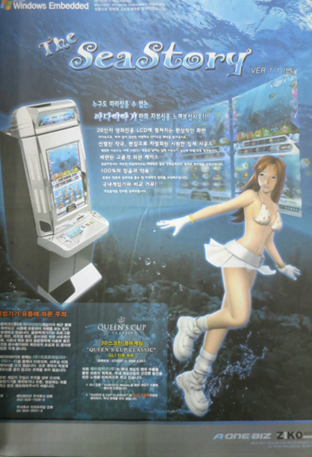
Figure 7. An advertisement for Sea Story (Bada Iyagi), the most notorious of the arcade gambling games which invited a harsh government crackdown (KCGIAB, 30 April 2006).
Conclusion
The arcade was a crucial element in Korea’s history of gaming. It created opportunities for many, including consumers and business owners, but also birthed questionable practices and controversy within Korean society. In many ways, the arcade established the foundation from which Korea’s much celebrated PC bang culture arose. For one, the popularity of the arcade meant that on the eve of the bang, social gaming was already the dominant form of gaming. Furthermore, much of the expertise built up in the arcade industry could be transferred to foster the PC bang ecosystem: not only did gamers flock from arcades to PC bangs, but even arcade owners transformed their parlors into PC bangs, with some former arcade owners even running entire PC bang franchises. Arcade game developers moved toward PC game development, and even cabinet makers put their craft into the service of PC bangs.
Moreover, the arcade industry had made a strong effort to render gaming more socially respectable and worthy of government support
-- to the benefit of PC gaming. The Amuse World game expo is a case in point: initiated by the arcade industry, it grew to attract attention and support from public television and the government, indicating that gaming had indeed “arrived.”
After changing its name to KAMEX, it continued to attain additional supporters, co-sponsors and co-organizers. Eventually, the game show was renamed G-Star under which it still operates today. G-Star is now one of the world’s largest gaming conventions (Biggest Gaming Conventions, 2024). However, the original founders receded into the background as the convention expanded. They eventually dropped out from the program entirely once online PC gaming took center stage. The framework that the arcade industry had worked so hard to create was now occupied by online gaming. As this case shows, the arcade was a preparation for Korea’s mighty online gaming industry and a crucial steppingstone for the country’s rise as a gaming powerhouse. Even though nowadays, the arcade may no longer be a major force in the industry, its legacy was passed onto PC bangs and Korea’s gaming culture at large.
The decline of the arcade in Korea, of course, was not unusual considering global trends. Nonetheless, the Korean arcade was able to respond to numerous challenges and prolong its lifespan by continuing to reinvent itself, for better or worse. To a large extent, it was the industry’s own excesses that triggered the heavy-handed involvement of the government, and consequently its own demise. Considering the mercurial history of the Korean arcade, however, it is conceivable that this is not the end of its story.
References
21세기 한국 게임장 날개를 달자 (The Korean Arcade in the 21st Century, Let’s Lend it Wings). (2000, February). Amuse World, 67-69.
23 Biggest Gaming Conventions in the World. (2024, November 12). GameRant.https://gamerant.com/gamin-conventions-world-smallest-largest-ranked/
2002 대한민국게임대전 그 현장 속으로 (On Site KAMEX 2002). (2003, January). Game World, 44-51.
2004년 한컴산 10대 사업목표 선정 (KCGIA Sets Ten Objectives for 2004). (2004, January 1). 한컴산회보 (Korea Computer Game Industrial Association Bulletin), 9.
Allcorrect Game Content Studio. (2024, August 5). The Gaming Market in 2023. https://allcorrectgames.com/insights/the-gaming-market-in-2023/
Amuse World ‘96게임전시회를 개최하면서 (Hosting Amuse World ’96). (1996, November). Amuse World, 7.
An, S. (2000, June). 기판게임 없이는 게임산업도 없다 (Without PCB Games, There is No Gaming Industry). Amuse World, 146-148.
Chee, F. (2023). Digital Game Culture in Korea: The Social at Play. Lexington Books.
Cho, J. (1992, June). 사과문 (Letter of Apology). 게임월드 (Game World), front matter.
Daeseong Electronics. (1998, February & March). 드디어 폐업전문업체가 생겼습니다 (Finally a Company Specializing in Business Closures Has Appeared) [Advertisement]. Amuse World, front matter.
Dor, S. (2024). StarCraft: Legacy of the Real-Time Strategy. University of Michigan Press.
EZ2DJ 특허심판 승소했다 (EZ2DJ Wins Patent Trial). (2000, February). Amuse World, 97.
Game Center Watch: Game Zone. (2003, September). Game World, 44-45.
Han, I. (1996, December). 시설은 70년대, 운영은 80년대, 손님은 90년대 (Facilities are 1970s-Level, Management is 1980s-Level, and Customers are 1990s Level). Amuse World, 42-43.
Huhh, J. (2008). Culture and Business of PC Bangs in Korea. Games and Culture, 3(1), 26-37.
Hutchinson, R. (2019). Japanese Culture through Videogames. Routledge.
Im, T. (Ed.). (2017). 한국 테크노컬쳐 연대기 (A Chronicle of Korean Technoculture). Alma.
JAMMA 참관단 모집 (Recruiting Participants for JAMMA). (1997, July). Amuse World, 22.
Jeon, U. (2023). 1990년대 이후 전자오락 문화의 변형에 대한 연구(A Study of the Changes of Video Gaming Culture Since the 1990s) [Doctoral dissertation, Seoul National University of Science and Technology]. Seoul National University of Science and Technology Digital Collection. http://www.dcollection.net/handler/snut/200000663432
Jin, D. (2010). Korea’s Online Gaming Empire. MIT Press.
Jin, D. (Ed.). (2021). Global Esports: Transformation of Cultural Perceptions of Competitive Gaming. Bloomsbury Publishing.
Jo, D. (2020). "Bursting circuit boards": Infrastructures and Technical Practices of Copying in Early Korean Video Game Industry. Game Studies, 20(2). https://gamestudies.org/2002/articles/jo
Kang, I. (2020). It All Started with a Bang: The Role of PC Bangs in South Korea’s Cybercultures. In H. Kim, Y. Choe (Eds.), The Korean Popular Culture Reader (pp. 55-75). Duke University Press.
Kent, S. L. (2001). The Ultimate History of Video Games. Three Rivers Press.
Kim, D., Yi U., Jeong, U. (2016, March 30). 오락실 게임의 뿌리를 보여주마 (The Roots of Arcade Gaming). The Joongang. https://www.joongang.co.kr/article/19801540#home
Kim, H., ed. (1993). 청소년과 전자오락 (Adolescents and Electronic Games). Forum for Adolescents.
Kim, J. (1992, February). ‘92년 게임시장을 전망한다 (Preview of the 1992 Gaming Market). 게임월드 (Game World), 57-61.
Kim, J. Y. (1996, May). 국산게임 절망적인가 (Are Korean Games Hopeless). Amuse World, 102-103.
Kim, Y. (1999, June). 불황 극복하는 게임장 운영 전략 (Arcade Management Strategies to Overcome the Economic Crisis). Amuse World, 56-57.
Kocurek, C. A. (2015). Coin-Operated Americans: Rebooting Boyhood at the Video Game Arcade. University of Minnesota Press.
Korea Cultural Policy Development Institute. (1996). 전자오락게임의 문화정책적 접근방안 (Approaches to Cultural Policies for Electronic Games). Korea Cultural Policy Development Institute.
Korea Game Industry Agency. (2007). The Rise of Korean Games: Guide to Korean Game Industry. Korea Game Industry Agency.
Lee, J. (2020, October 27). Why So Many Esports Pros Come From South Korea. Wired. https://www.wired.com/story/korean-esports-gaming-class-culture/
Liboriussen, B., Martin, P. (2016). Regional Game Studies. Game Studies, 16(1). https://gamestudies.org/1601/articles/liboriussen
McCrea, C. (2009). Watching StarCraft, Strategy and South Korea. In L. Hjorth, D. Chan (Eds.), Gaming Cultures and Place in Asia-Pacific (pp.179-193). Routledge.
Meades, A. F. (2022). Arcade Britannia: A Social History of the British Amusement Arcade.
Miura, Y. (1997). Virtua Fighter 3: The Maximum Battle. Youmex.
Na, B. (2016). 게임성의 통사적 연구: 한국 전자오락사의 이론적 고찰 (A Diachronic Study of Gameplay: A Theoretical Examination of the History of Electronic Gaming in Korea) [Doctoral dissertation, Yonsei University]. Yonsei University Digital Collection. http://www.dcollection.net/handler/yonsei/000000423062
Namco를 찾아서 (Visiting Namco). (1998, January). Amuse World, 36-43.
Nicoll, B. (2019). Minor Platforms in Video Game History. Amsterdam University Press.
Pak, G., Kim, M., Oh, I., Kang, S. (2014) Success Story of the Cultural Industry in Korea: The Case of the Game Industry. Ministry of Strategy and Finance.
Pak, S. (1993). 학교 주변 유해업소의 실태와 대책을 위한 기초 연구 (A Preliminary Study of Harmful Businesses Near Schools and Countermeasures) [Unpublished Master’s thesis]. Ewha Women’s University.
Park, J. (2013, June). 한국 지적재산권법의 과거, 현재, 미래 (The Past, Present, and Future of Korean Intellectual Property Law). The Justice, 136, 121-170.
PC방 발전방향 모색 (Direction of PC Bang Development). (1999, April). Amuse World, 78-79.
PC방 적정가격이 필요하다 (PC Bangs Need a Reasonable Price). (1999, August). PC Bang, 37-40.
PC, 온라인 급성장 vs 아케이드 몰락 Rapid Growth of PC & Online in Contrast to Retreat of Arcade. (2001, January). Amuse World, 102-107.
Preview: 어뮤즈월드 ’97 (Preview: Amuse World ’97). (1997, November). Amuse World, 40-41.
Sonobe, H. (2021, February 28). Video Arcades in Japan Face Extinction as Console Sales Hit Record High Amid Pandemic. The Mainichi. https://www.japantimes.co.jp/life/2021/06/06/digital/japanese-gaming-arcades-pandemic/
Taylor, T. L. (2012). Raising the Stakes: E-sports and the Professionalization of Computer Gaming. MIT Press.
Unicom. (1997, May). 투자속보 (Investment Bulletin). Amuse World, front matter.
Yang, M., Kim, S. (1994, March). 대구지역 학교주변 환경에 대한 교사의 인식과 유해업소 실지조사 (Teachers’ Perception of School Surroundings and On-Site Research of Harmful Businesses in Taegu). Journal of Korean Society of School Health, 7(1), 45-55.
Yi, G. (2008a, November). 정부의 불법게임물 대책 (The Government’s Measures Against Illegal Gaming). AR News, 16-17.
Yi, G. (2008b, November). 국내 아케이드게임산업의 현황 및 향후 발전방향 모색 (Examining the Current Status and Future Directions of the Domestic Arcade Industry). AR News, 28-29.
Yi, J. (1997a, May). 화제의 오락실: 게임아트 (Arcade of the Moment: Game Art). Amuse World, 20-21.
Yi. J. (1997b, August). 오락실 탐방: 죠이랜드 (Arcade Exploration: Joyland). Amuse World, 18-19.
Yi, J. (1997c, September). 게임이용요금을 올려야 한다 (Gaming Costs Must be Raised). Amuse World, 18-20.
Yi, J. (1997d, December). 한국의 게임센터 이용자 조사 (Survey of Customers of Korean Game Centers). Amuse World, 40-44.
Yi, J. (1998a, May). 타임머신게임장 (Time Machine Arcade). Amuse World, 28-29.
Yi, J. (1998b, October). 격투게임: 이제 한계에 도달했나 (Fighting Games: Have They Reached Their Limit). Amuse World, 52-55.
Yi, J. (1998c). 게임사업 이것만은 알고합시다 (Things to Know When Starting a Gaming Business). Yesom.
Yi, S. (1992, August). 사과문 (Letter of Apology). 게임월드 (Game World), front matter.
Yi, W. (2024, September 30). Share of Self-Employed to Fall Below 20% for 1st time in Labor Market. The Korea Times. https://www.koreatimes.co.kr/www/biz/2024/11/602_383387.html
Yun, H. (Ed.). (2012). 한국 게임의 역사 (The History of Korean Gaming). Book Korea.
Yun, S. (2005). 게임분쟁사례집 (Game Disputes Case Collection). Korean Institute for Game Development.
가을학기 서울 유학생 하숙대란 (Fall semester Seoul Students Accommodation Trouble). (1999, October 7). The Kyunghyang Shinmun.
거리문답 (Street Interview). (2000, July), Amuse World, 204-205.
게임의 길 통하는 실크로드 (Silk Road for Games). (1999, February) Amuse World, 42-43.
게임장 강타, 젊은 층 어필한 EZ2DJ (EZ2DJ Creates Splash in the Arcades, Appeals to Young Gamers). (1999, July). Amuse World, 52-55.
게임장 운영의 어려운 점 세가지 (Three Difficulties in Running an Arcade Parlor). (1996, December). Amuse World, 49.
게임장이 민생경제 침해사범 (Game Centers are Destroying People’s Livelihoods). (2004, September 10). 한컴산회보 (Korea Computer Game Industrial Association Bulletin), 1.
게임종합뉴스 (General Game News). (1999, January). Amuse World, 88-93.
게임종합뉴스 (General Game News). (1999, February). Amuse World, 74-80.
게임종합뉴스 (General Game News). (2001, December). Game World, 108-112.
국내 게임제공업계 현황 (Domestic Game Service Industry Status of 2003). (2004, May 10). 한컴산회보 (Korea Computer Game Industrial Association Bulletin), 13.
국내최초의 게임전시장 어뮤즈월드 (First Domestic Game Exhibition Center Amuse World). (1996, August). Amuse World, 58-60.
대림청계상가의 명과 암 (Bright and Dark Spots of Daerim Cheonggye Market). (1999, February). Amuse World, 44-46.
대승인터컴 (Daeseung Intercom). (1999, February). Amuse World, 82-83.
대인산업 PC 게임방 투자 설명회 (Daein Industry PC Bang Investment Seminar). (1998, December). Amuse World, 53-55.
댄스게임의 댄스게임에 의한 댄스게임을 위한 보고 (Report Of, By, and For Dance Games). (2000, November). Amuse World, 112-124.
도박장 오락실 무더기 적발 (Gambling Arcades Discovered in Massive Numbers). (2000, December 17). Kookmin Ilbo.
명예기자코너 (Reader’s Corner). (1992, August). 게임월드 (Game World), 212-213.
미리가 본 KAMEX 2000 (Previewing KAMEX 2000). (2000, December). Amuse World, 96-99.
미래를 준비하는 게임장: 태평 오락실 (Preparing the Future of Arcades: Taepyeong Game Center). (1996, December). Amuse World, 38-39.
부산지회 건전영업조성, 불법 추방 (Busan Branch Promotes Legal Business and Condemns Illegal Operations). (2004, January 1). 한컴산회보 (Korea Computer Game Industrial Association Bulletin), 3.
성인오락기 제조업체 압수수색 (Search and Seizure of Producer of Mature Arcade Machines). (2007, July 7). Kyunghyang Shinmun.
알뜰시장 (Flea Market). (1998, December). Amuse World, 108-109.
어뮤즈월드 ’97 D-15 (Amuse World ’97 D-15). (1997, December). Amuse World, 64-65.
어뮤즈월드 가산점 (Amuse World Kasan Branch). (1996, November). Amuse World, 36-37.
업계 생존권 무시하는 게진법 결사 반대 (Opposing Legal Reforms that Ignore the Industry’s Right to Exist). (2006, July 12). 한컴산회보 (Korea Computer Game Industrial Association Bulletin), 1.
업소탐방: 안산 사이버월드 (Arcade Field Trip: Ansan Cyber World). (2000, November). Amuse World, 214-215.
오락실 인테리어 어떻게 할것인가 (What to do About Interior Design of Arcade Parlors). (1997, July). Amuse World, 18-22.
음비게임법 과연 게임산업 청신호 위한 법인가 (Are the Law Reforms a Green Light for the Gaming Industry). (1999, April). Amuse World, 58-61.
인터뷰: 세가엔터프라이즈 (Interview: Sega Enterprise). (1996, May). Amuse World, 44-47.
일진종합전자 (Iljin General Electronics). (1999, January). Amuse World, 74-75.
콘솔방 제도권내 들어와 현안 풀어야 (Console Rooms Need to Enter the Legal Realm to Solve the Issues). (2004, February 10). 한컴산회보 (Korea Computer Game Industrial Association Bulletin), 13.
프로토피아 (Protopia). (1997, April). Amuse World, 30-32.
한국 게임장 미래는 있는가 (Do Korean Arcades Have a Future). (2000, February). Amuse World, 60-71.
한컴산 음비게임법 궐기대회 가져 (Korea Computer Game Industrial Association Holds Rally to Protest Music, Video and Game Law). (1999, May). Amuse World, 49.